High Quality Peptides You Can Trust
Precision formulated. Quality validated. The building blocks of scientific advancement.
For Research Use Only
Top Quality Peptides in Bulk
Our extensive inventory encompasses a wide variety of sequences tailored for specific applications, from therapeutic agents designed to target intricate biological pathways to innovative formulations enhancing aesthetic outcomes in cosmetic products.
Our Inventory
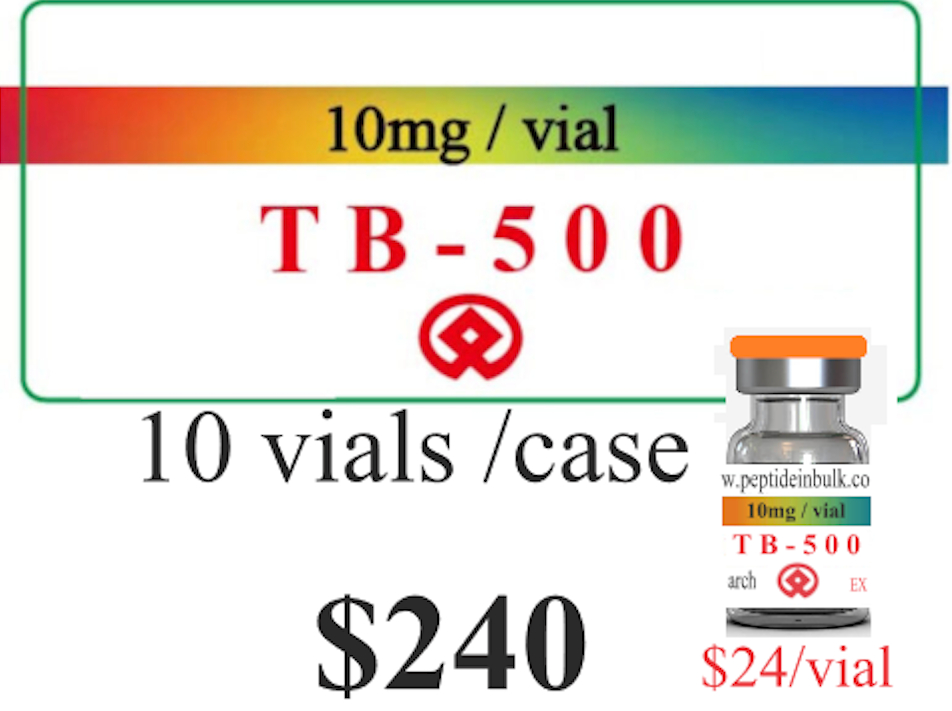
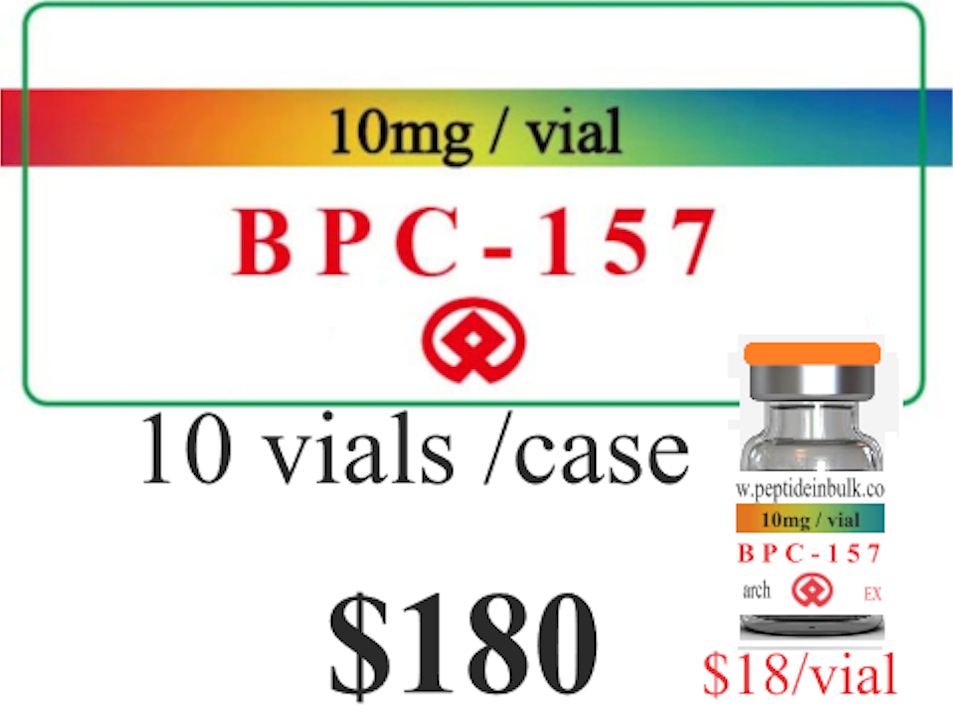
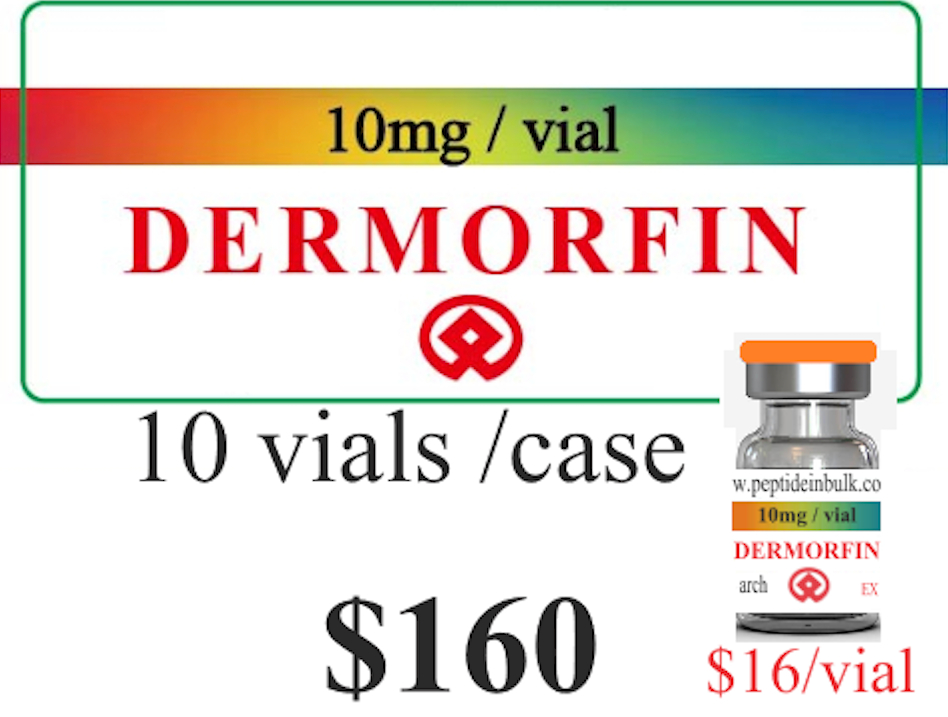
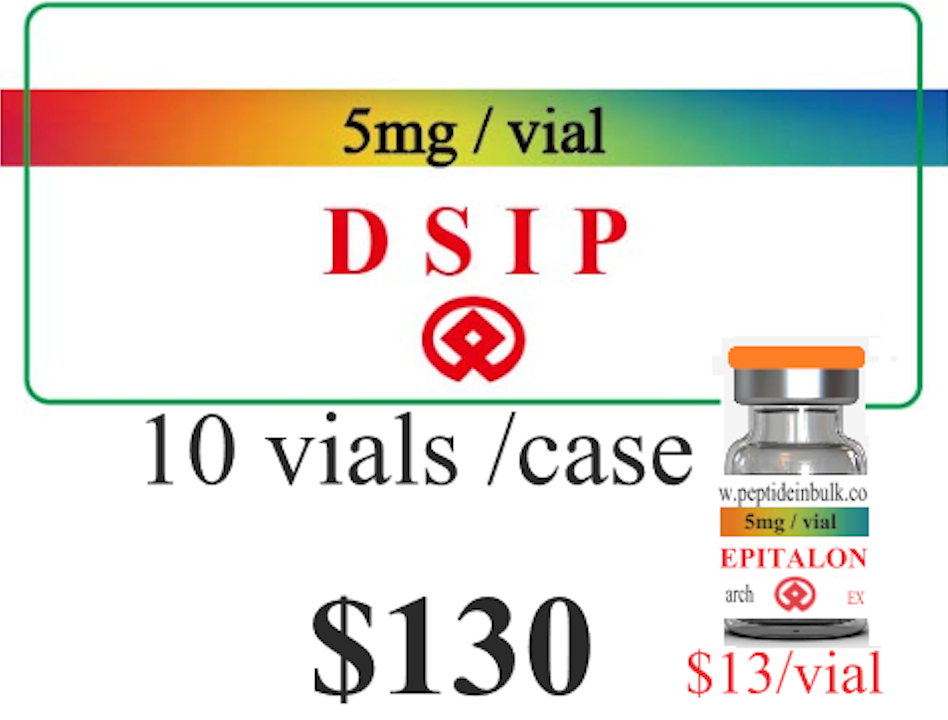
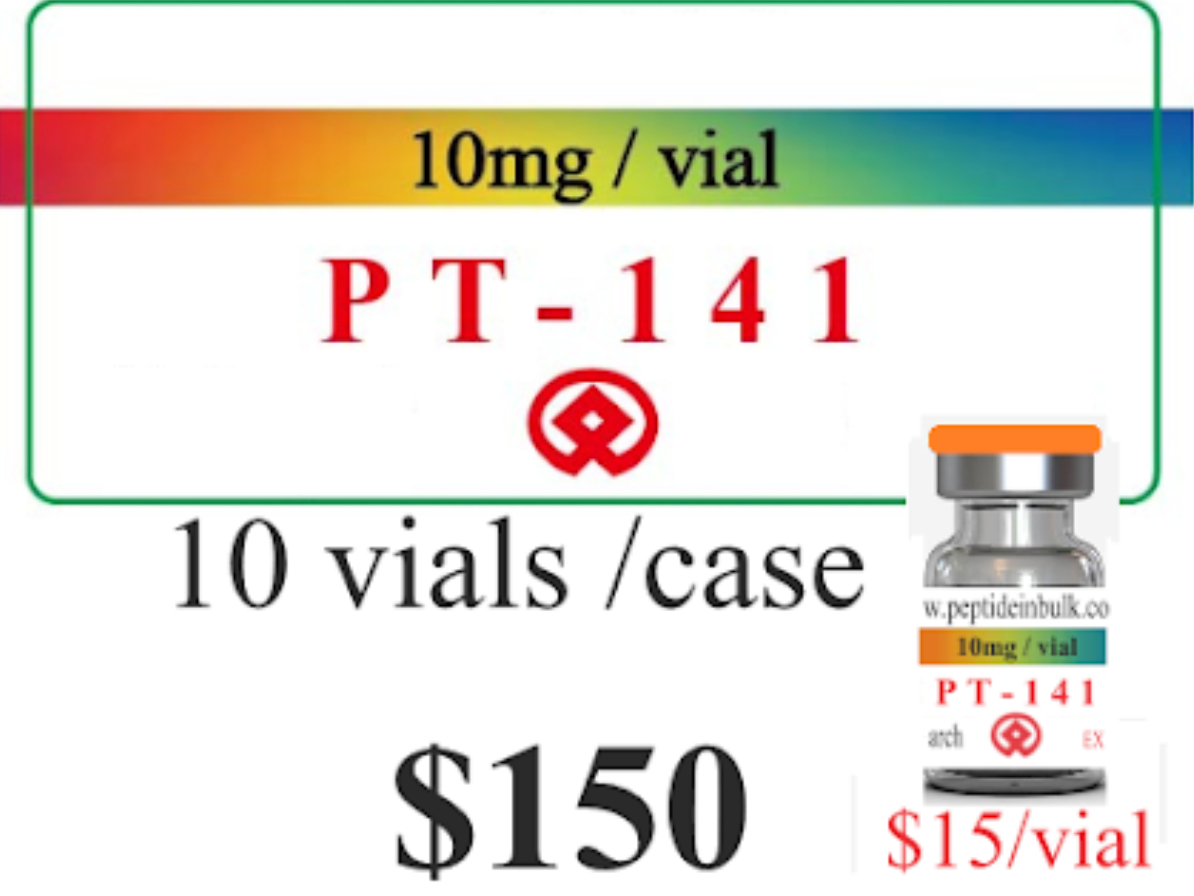
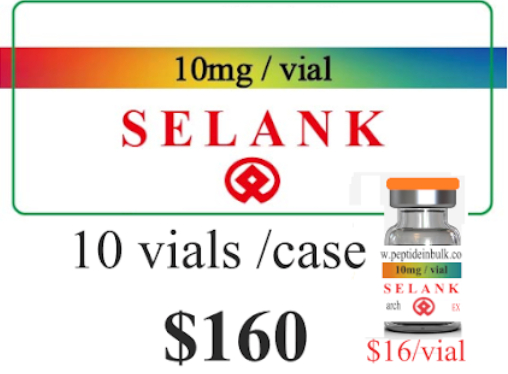
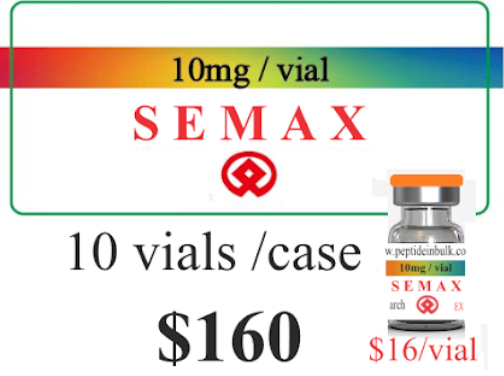
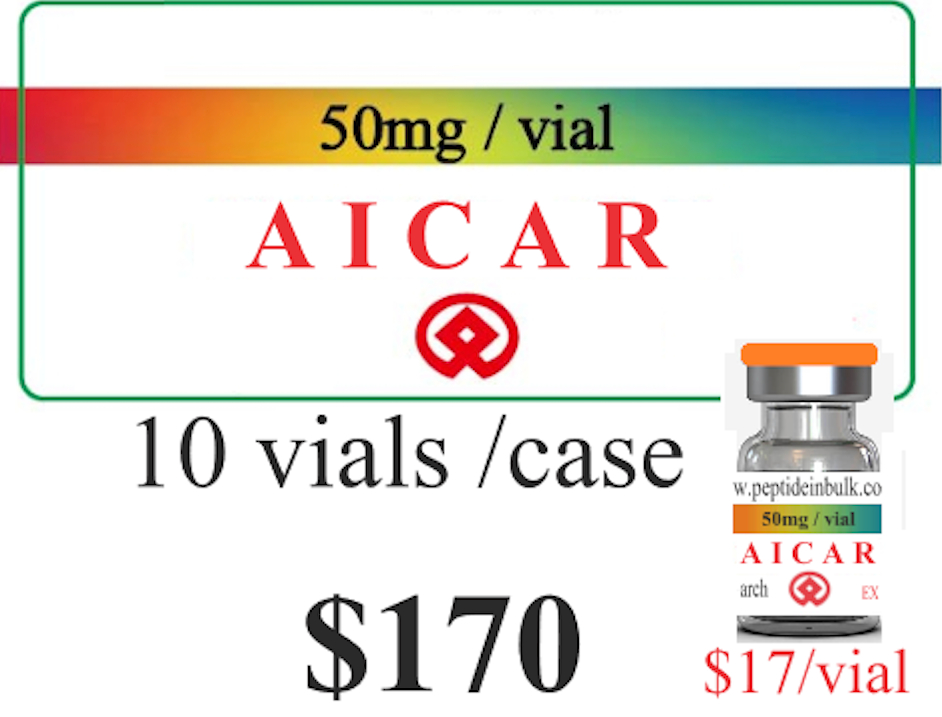
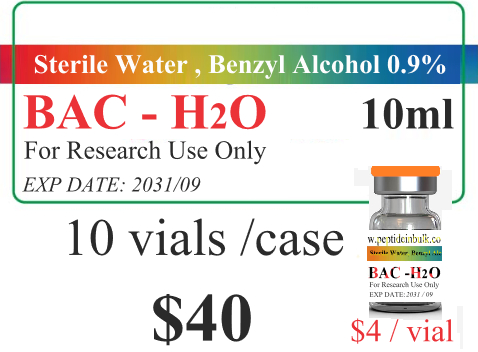
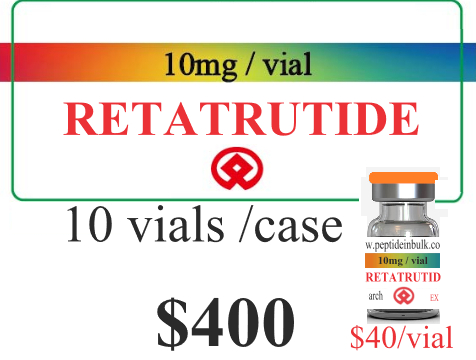
High-Purity Research Compounds
Peptide in Bulk supplies analytically verified research materials produced under stringent quality control standards, ensuring purity, stability, and batch consistency.
Institutional & Bulk Pricing
Competitive wholesale rates for laboratories, distributors, and research supply partners. Safe money by ordering in bulk through us.
USA Verified COAs
Batch-controlled synthesis with third-party analytical testing. Research Use Only.
Our U.S.-based team is available 7 days a week to help with product or order questions.
Why choose us?
By prioritizing consistency and rigorous quality control measures throughout the production process, we guarantee that our peptides meet the highest standards demanded by researchers and practitioners alike. Availing peptides in bulk not only optimizes costs but also streamlines workflows for those engaged in large-scale projects or ongoing studies, making it an invaluable resource for laboratories striving for excellence in their scientific pursuits.
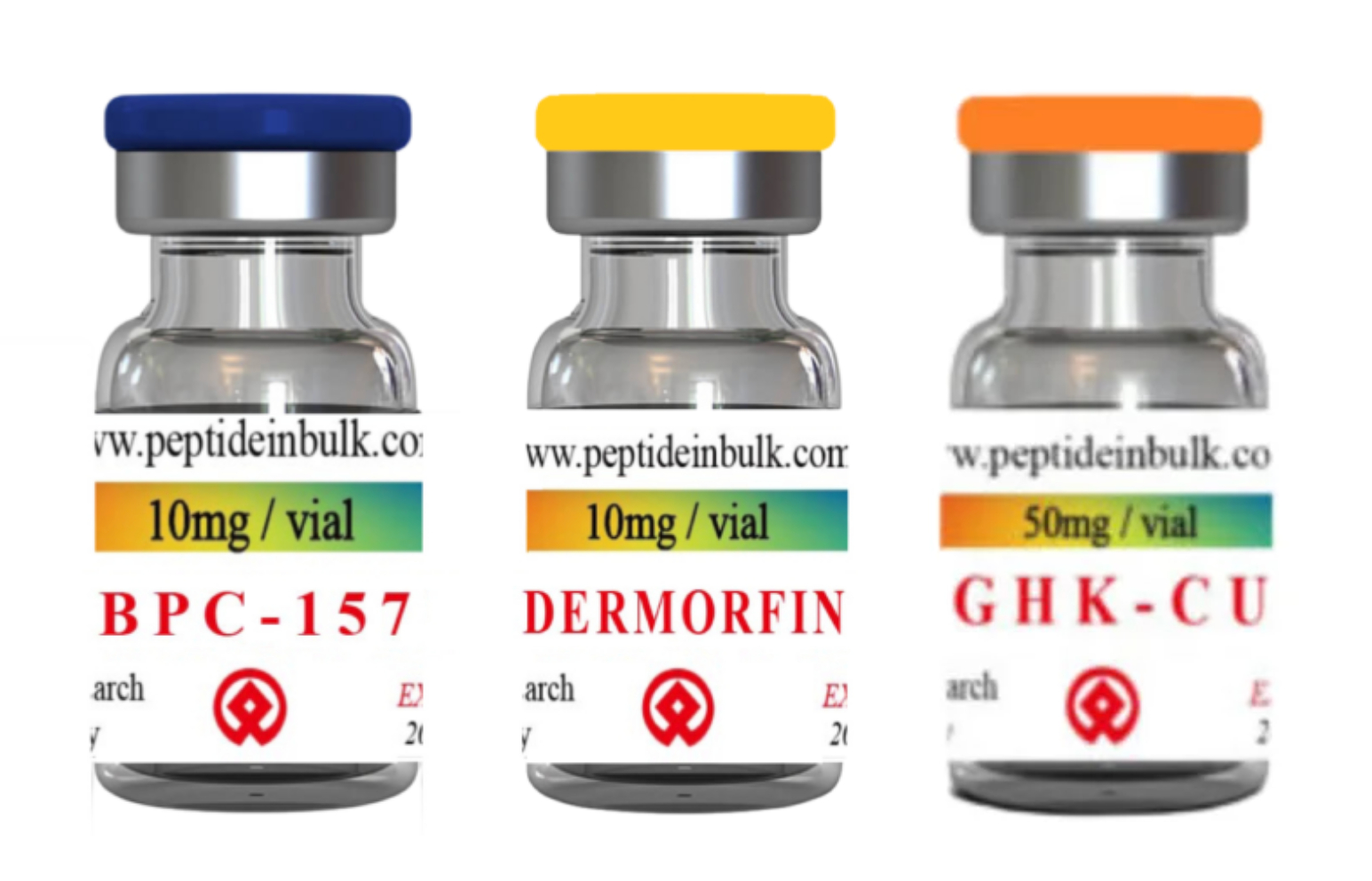
INDUSTRIES WE SUPPLY
- Biotechnology Research
- Pharmaceutical Research
- Academic Research
- Institutional Research
- Healthcare & Specialty Medicine
- Cosmetics & Personal Care
- Agricultural Science
- Veterinary Science
- Diagnostics & Medical Devices
Frequently Asked Questions
No. Many peptide products sold as supplements are not subject to the same rigorous testing, approval, and quality control as prescription medications. This means their purity, dosage accuracy, and safety can vary significantly, and consumers should be cautious.
Yes. Risks can include impurities from poor manufacturing, incorrect dosing, allergic reactions, hormonal imbalances, or unknown long-term effects—particularly with peptides bought from unregulated sources online. It’s important to consult a healthcare provider before using any peptide-based product, especially for injectable or hormone-related peptides.
Yes. Peptides can be chemically synthesized in labs using methods like solid-phase peptide synthesis (SPPS), which allows scientists to build custom peptide sequences for research, pharmaceuticals, or cosmetic products.
The main difference is size and structure. Peptides are shorter amino acid chains (generally under 50 amino acids), while proteins are longer, more complex chains that often fold into intricate 3D structures. Proteins are essentially made up of one or more polypeptide chains.
Peptides are used to treat various conditions for example, insulin for diabetes, GLP-1 receptor agonists (like semaglutide) for diabetes and weight management, and certain peptide-based hormones for growth disorders. They’re valued for their specificity and relatively low toxicity compared to some small-molecule drugs.
Examples include insulin (regulates blood sugar), oxytocin (involved in bonding and childbirth), glutathione (an antioxidant), and various neuropeptides like endorphins that help regulate pain and mood.
A peptide bond is a covalent chemical bond formed between the carboxyl group (-COOH) of one amino acid and the amino group (-NH2) of another, releasing a water molecule in the process (a reaction called condensation or dehydration synthesis).
A peptide is a short chain of amino acids linked together by peptide bonds. Peptides typically contain between 2 and 50 amino acids, while longer chains are classified as proteins.
Collagen peptides are short chains derived from breaking down collagen protein (usually from animal sources) into smaller, more easily digestible and absorbable fragments. They’re popular in supplements for claims related to skin elasticity, joint health, and hair/nail strength, though scientific evidence varies in strength.
Certain peptides (like copper peptides or signal peptides) are added to skincare formulations because they may help stimulate collagen production or serve as messengers that trigger skin repair processes. However, the ability of peptides to penetrate skin effectively is debated among researchers.
Client Testimonials
Our group at OHSU has purchased more than 50 000 peptides over the past few years from Peptide in Bulk to support our proteome wide TB epitope discovery program. We are impressed by the turnaround times and highly competitive pricing structure for such large numbers of peptides and are very satisfied with the responsive and professional service.